Nature Activities in Florida in 2026
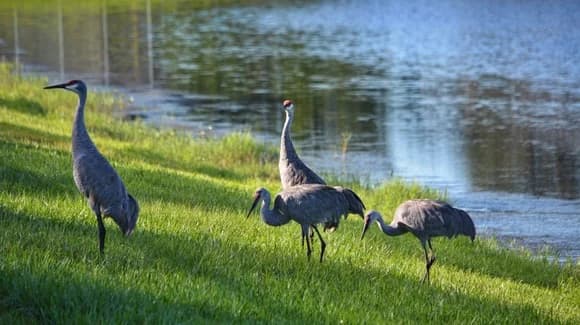
Florida is still best known for beaches and theme parks, but one of the strongest reasons to visit in 2026 is how easy it is to build a holiday around wildlife, water and outdoor scenery as well. If you want a quieter Florida day, nature activities remain one of the best ways to get it.
The key is choosing the right type of nature day for your base. A short wildlife stop near Orlando is a very different product from a full paddling, snorkelling or national-park trip.
Why Florida still stands out for nature trips
The Florida Department of Environmental Protection currently says the state park system includes 175 state parks, trails and historic sites spanning more than 815,000 acres and 101 miles of sandy white beach. That matters because it gives visitors a huge range of realistic day-trip options instead of one single headline park.
If you are staying in Orlando, Tampa Bay, the Gulf Coast, South Florida or the Florida Keys, you are usually within reach of at least one good low-key outdoor day.
Easy nature activities with the best holiday value
- Wildlife viewing and birding: the Florida Fish and Wildlife Conservation Commission still points visitors to the Great Florida Birding and Wildlife Trail, which is one of the easiest ways to plan a self-drive nature stop.
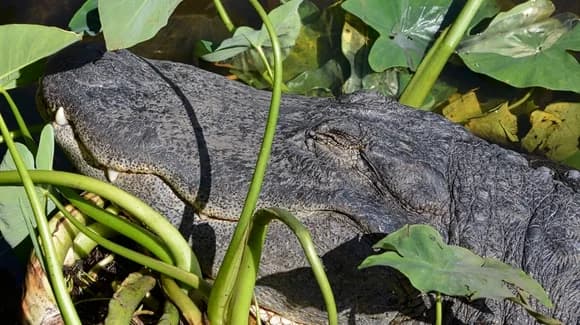
- Airboat rides: still one of the quickest ways to add wetlands scenery and alligator-spotting to a family trip. Start with our Florida airboat rides guide.
- State-park beach, spring and trail days: a better-value alternative to another expensive attraction day when you mainly want space and scenery.
- Paddling and shallow-water exploring: especially strong around springs, mangrove areas and coastal trails.
Water-based nature days
If your idea of nature is mostly on the water, Florida gives you several strong routes. Biscayne National Park describes itself as a park that is 95% water, which tells you a lot about the kind of boating, paddling and snorkelling experience available there. Dry Tortugas National Park still sells the dreamier version: fort, boat trip and snorkelling in clear water — but that is much more of a full expedition day than a casual add-on.
If you want a softer version of that experience, focus on a state park, coastal paddle or glass-bottom / boat-based outing instead of trying to force a remote national-park day into a short itinerary.
Fishing, licences and practical costs
Fishing can be great value in Florida, but only if you handle the licence side properly. Current FWC pricing examples include:
- Resident annual freshwater licence: $17.00
- Resident annual saltwater licence: $17.00
- Resident annual freshwater + saltwater combination: $32.50
- Non-resident 3-day licence: $17.00
- Non-resident 7-day saltwater licence: $30.00
- Non-resident annual licence: $47.00
That makes short-term licences fairly manageable if fishing is a meaningful part of your trip, but not especially good value if you only plan to cast a line once for a few minutes. For broader outdoor planning, see our outdoor activities and sports guide.
National parks vs state parks: which is better for most visitors?
For many holidaymakers, state parks are the easier win. They are simpler to reach, easier to combine with a road trip and often better suited to a half-day or relaxed full-day visit.
National parks and remote marine parks are worth it when they are a major part of your holiday plan, not when they are squeezed into a packed attraction schedule just because the name sounds famous.
What the cost question really looks like
Nature days in Florida can be excellent value, but the cheapest route depends on the activity. A simple park or trail stop is usually your lowest-cost option. Everglades National Park currently charges $35 per private vehicle for 7 consecutive days, which can be good value if you genuinely plan to use the park — less so if you only want a quick photo stop.
The best-value nature day is usually the one where you will actually stay for several hours: swim, paddle, hike, fish, watch wildlife or take a proper tour. Short token visits often look cheap but give poor value once you count the drive time.
Best times to add nature days
Outdoor and wildlife days are often easiest in the cooler months, especially if you are walking, paddling or spending long stretches away from air-conditioned attractions. Our best time to visit Florida guide helps with the seasonal trade-offs.
If you are building a mixed itinerary, a common smart move is to alternate high-cost theme-park days with lower-pressure nature days. It usually makes the whole trip feel better paced.