Florida Hurricane Season Guide
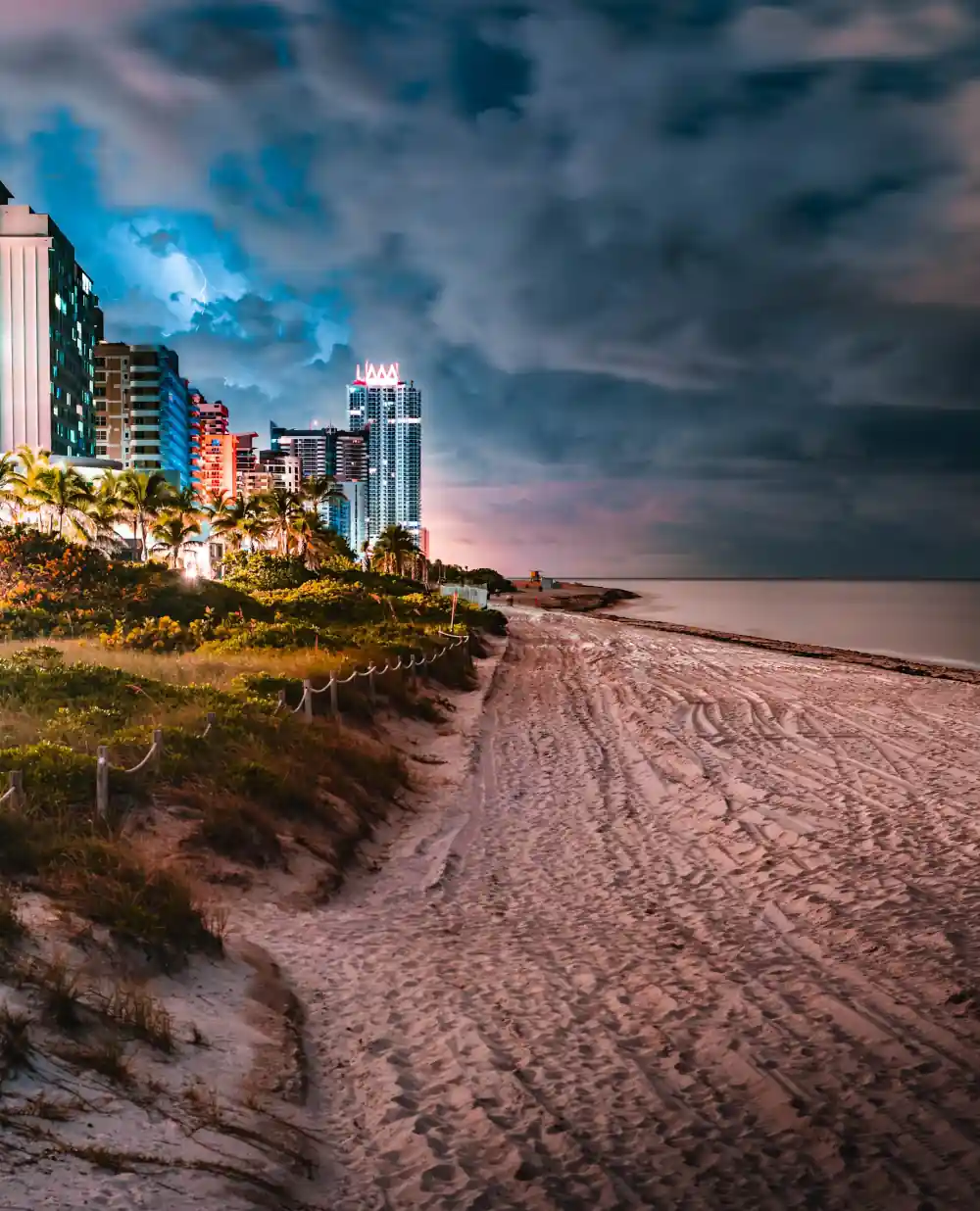
Florida holidays do not need to stop for hurricane season, but they do need a more realistic plan. The official Atlantic hurricane season runs from June 1 to November 30, and for Florida visitors the most important point is not panic but preparation: understand the season, travel with flexibility, and follow local instructions if a system threatens your area.
Florida is exposed to the Atlantic basin from multiple directions, so no part of the state should assume it is completely outside risk. The exact threat changes by storm track, but visitors on the Gulf Coast, Atlantic Coast, Central Florida, and the Florida Keys should all treat the season seriously.
When Florida hurricane risk is highest
The season officially begins in June, but the period that usually deserves the most attention is mid-August through mid-October. NOAA's long-term Atlantic climatology still shows late summer and early autumn as the heart of the season, even though storms can form outside the busiest window.
If you are travelling in June, July or November, do not ignore the risk. Just understand that the statistical peak usually comes later.
The storm terms that matter
- Tropical depression: a tropical cyclone with maximum sustained winds of 38 mph or less.
- Tropical storm: maximum sustained winds of 39 to 73 mph.
- Hurricane: maximum sustained winds of 74 mph or higher.
- Major hurricane: Category 3, 4 or 5 on the Saffir-Simpson scale.
The category matters, but it is not the whole story. Storm surge, inland flooding, tornadoes, rip currents, and power loss can all create danger even when a storm weakens before landfall or tracks well offshore.
What usually affects visitors most
- Flight disruption: delays, cancellations, and airport operational changes.
- Accommodation decisions: early departures, extended stays, or shelter instructions.
- Transport disruption: road closures, fuel demand spikes, and public-transport changes.
- Beach danger: dangerous surf and rip currents even far from the storm centre.
- Localised tornado risk: tropical systems can spin up tornadoes well inland.
What to do before you travel
- Travel with insurance that clearly covers storm disruption.
- Know whether your hotel, villa manager, or resort has a hurricane procedure.
- Do not treat evacuation zones as local trivia if you are staying on or near the coast.
- Build some schedule flexibility into late-summer and autumn trips.
What to do if a storm is actually approaching
Use official sources first: the National Hurricane Center, the National Weather Service, and local emergency management instructions. If local authorities issue evacuation or shelter instructions, follow them. Do not decide that a storm is harmless because the category number looks lower than expected; flooding and surge can still be severe.
Visitors should also remember that Florida's tornado risk overlaps with severe summer weather more broadly, not just named storms. That is one more reason to stay alert during the wetter part of the year.
See also: Florida Seasons | Florida Weather | Tampa Weather