Florida Seasons Guide

Florida has clear travel seasons, but they are driven far more by heat, humidity, rainfall and hurricane awareness than by the classic four-season pattern many UK travellers expect. In 2026 the big planning truth is unchanged: winter and spring are usually the easiest months for broad sightseeing trips, while summer brings the state's hottest, wettest, and stormiest stretch.
This page works best alongside our Florida temperature and rainfall guide, Florida weather overview, and Florida hurricanes guide.
December to February: the easiest season for many trips
Winter is usually the most comfortable time for many visitors because humidity is lower and the most punishing heat is absent. North Florida can feel genuinely cool at times, Central Florida often stays pleasantly warm by day with cooler evenings, and South Florida plus the Florida Keys usually hold the most reliable winter warmth.
This is also peak snowbird season in many parts of the state, so the weather may be easier but some areas are busier and pricier. It is a strong season for mixed holidays, road trips, and park-heavy itineraries.
March to May: one of Florida's best-value windows
Spring is often the best all-round answer if you want warm weather without the full summer humidity. March and April are popular because the weather is usually excellent for theme parks, outdoor dining, and multi-centre travel. May is a useful shoulder month: it is warmer, but the deeper summer wet pattern is not usually at full strength yet.
The trade-off is crowd timing. School breaks and spring break can push prices and crowd levels up even when the weather itself is close to ideal.
June to September: hot, humid and thunderstorm-prone
Summer is the hardest season to underestimate. The headline temperatures matter, but the real issue for many visitors is the humidity. Across much of Florida, this is the period of regular afternoon thunderstorms, high heat, and the heart of Atlantic hurricane awareness.
That does not make summer a bad time to go. It can still work well for families tied to school holidays, beach trips, water parks, and travellers who are happy to plan around storms. It simply rewards a different style of holiday: earlier starts, indoor breaks, flexible afternoons, and realistic expectations about weather interruptions.
October to November: useful shoulder season, but not risk-free
Autumn often feels like a reset. The fiercest summer humidity usually starts to ease, but Florida can still feel very warm and the Atlantic hurricane season officially continues through November 30. Early autumn can be an excellent compromise if you want warmth without the most intense mid-summer conditions, but it is not the season to forget storm risk completely.
Which Florida season suits your trip best?
- Theme parks and sightseeing: usually winter and spring.
- Hottest beach weather: late spring through summer, if you can handle humidity.
- Road trips and wider-state touring: cooler months usually make the logistics easier.
- Lowest-weather-friction choice: spring is often the safest bet.
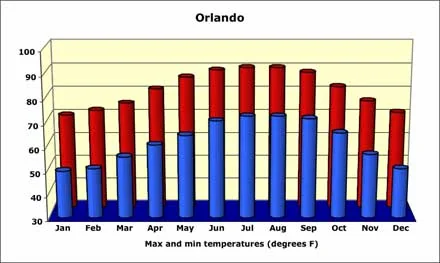
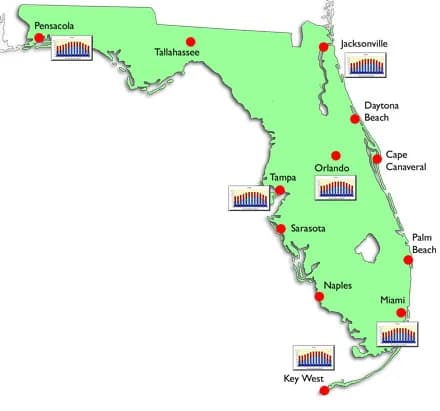
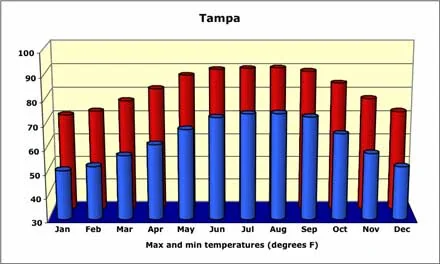
If you are comparing specific destinations, go one step further and use our individual weather pages for Tampa, Orlando, Miami, Jacksonville, and Pensacola.