Florida Spring Break 2026

Florida Spring Break 2026 will mainly fall across March, with the busiest travel period usually building in the weeks leading up to Easter. Different colleges and school systems break at different times, so the season spreads over several weeks rather than one single fixed week. If theme parks are part of your trip, compare likely dates against our Disney ticket guide, Universal Florida resident ticket guide, and SeaWorld ticket guide.
In 2026, the main Spring Break travel period in Florida is likely to run from early March into late March, with some campuses breaking earlier and others closer to Easter. Because school and college calendars vary, it is best to treat this as a travel pattern rather than one exact statewide set of dates.
For most visitors, the busiest part of Florida Spring Break 2026 is likely to be the middle weeks of March, when beach destinations, nightlife areas, and major attractions tend to see the heaviest crowds.
Many college breaks are expected to fall between early and late March in 2026, but exact dates vary by school. If your trip depends on avoiding the busiest student weeks, it is worth checking individual academic calendars as well as hotel pricing before you book.
In addition to all the beaches, bars, clubs, and restaurants, there is so much more to do in Florida. You can visit the theme parks, go kayaking, take an airboat or helicopter ride, go on a sunset cruise, ride in a swamp buggy, rent a Segway or an electric bike, or go scuba diving, and the choices are endless.
Panama City Beach
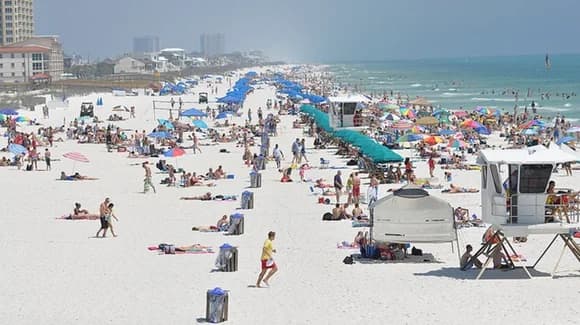
Panama City Beach (known as PCB), with its 27 miles of white-sand shoreline, remains one of Florida's best-known Spring Break destinations and still draws visitors looking for beach time, nightlife, and a lively atmosphere.
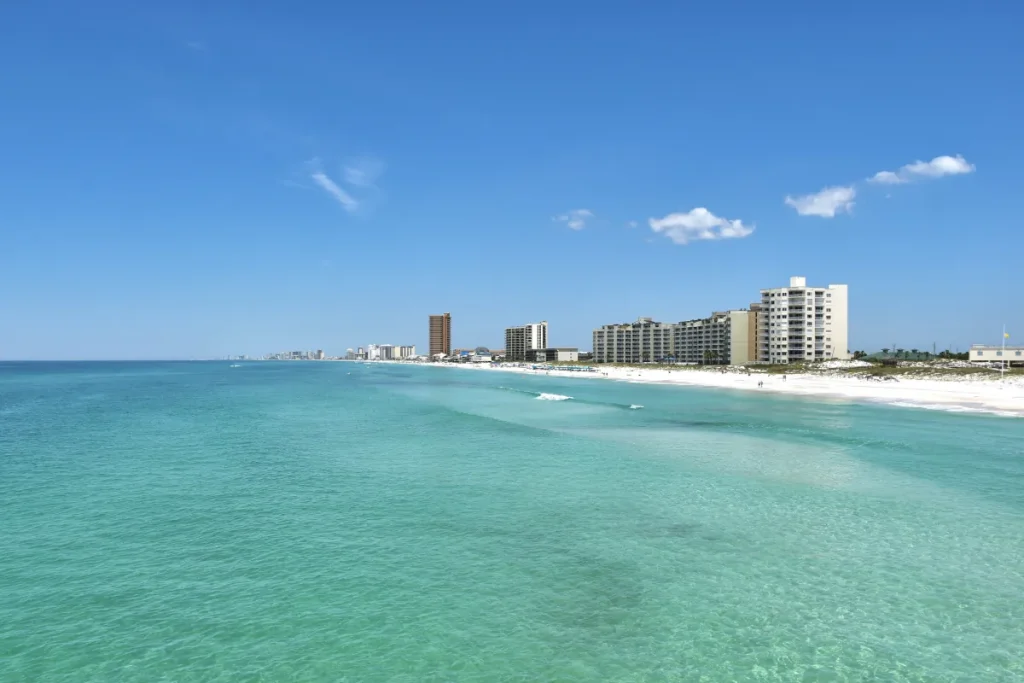
Panama City Beach has long marketed itself as a Spring Break capital, while Orlando appeals to a broader crowd looking for theme parks, nightlife, shopping, and resort stays rather than a pure beach break.
Being further north, it is less distance to drive for most students, but the weather is less predictable. Tour operators even operate buses to bring students from the Northeast and Canada.
Panama City Beach still offers a mix of beachfront bars, restaurants, live music venues, and nightlife spots, although individual venues and club line-ups can change over time.
Local rules and enforcement have tightened over time, so anyone planning a party-focused trip should check the latest beach regulations, alcohol rules, and venue policies before travelling.
Daytona Beach
Daytona Beach is still an inexpensive choice and an important Spring Break destination despite Panama City Beach's rise in popularity. The Daytona International Speedway and the Kennedy Space Center are all close by. Orlando and Florida's many theme parks are only a day trip away.
One of Daytona's claims to fame is the 23 miles of beach, most of which you can drive along in your car. Sitting and watching the young students posing in their pickups as they cruise up and down the beach is an amusing experience. A few years ago, a mile-long strip of beach in front of the historic Boardwalk was declared a vehicle-free zone, but you can still drive and park on 16 miles of beach, tide permitting.
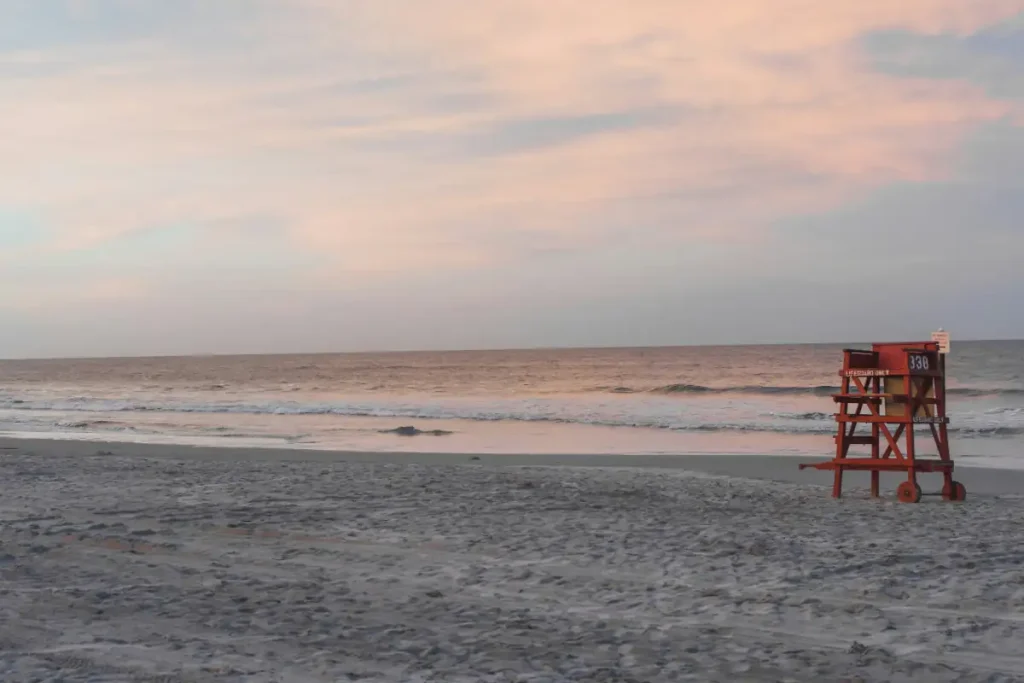
Unlike the Gulf coast, Daytona Beach also offers a stronger surf scene. As with other Florida Spring Break destinations, nightlife options can change over time, so it is worth checking current venues before planning your evenings.
Orlando
If the beach is not your thing, Orlando is a strong Spring Break option. Walt Disney World, Universal Orlando Resort, and SeaWorld make it one of the easiest Florida destinations for a theme-park-focused trip.
There are still plenty of opportunities to swim at water parks, including Typhoon Lagoon, Blizzard Beach, Aquatica, Volcano Bay, and Discovery Cove.
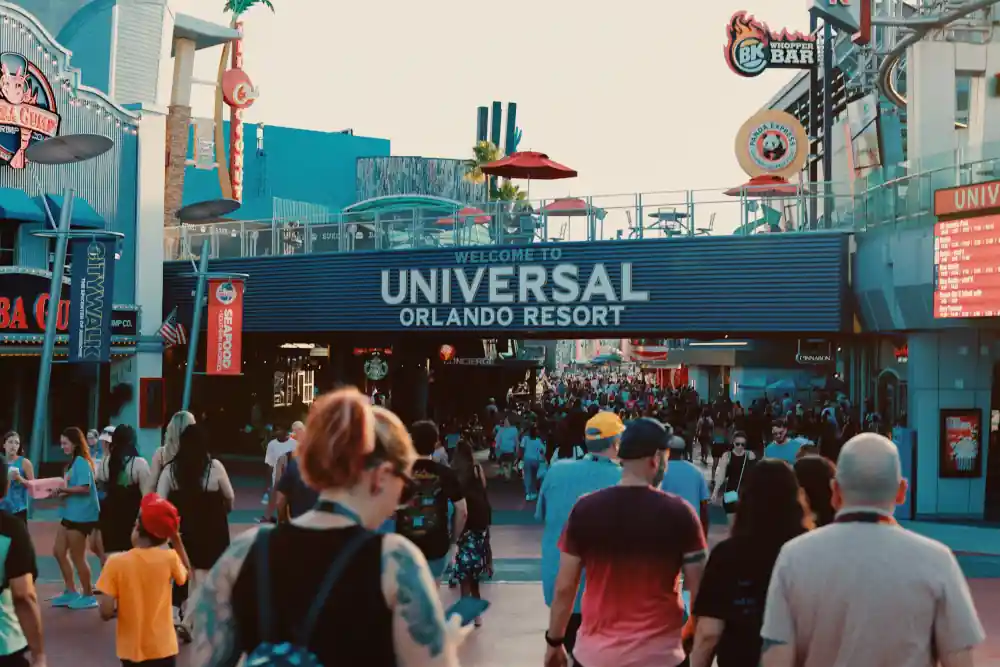
For nightlife, Universal CityWalk is one of the best-known entertainment areas in Orlando. There is also no shortage of resort hotels with pools, private villas, and condominiums.
Miami South Beach
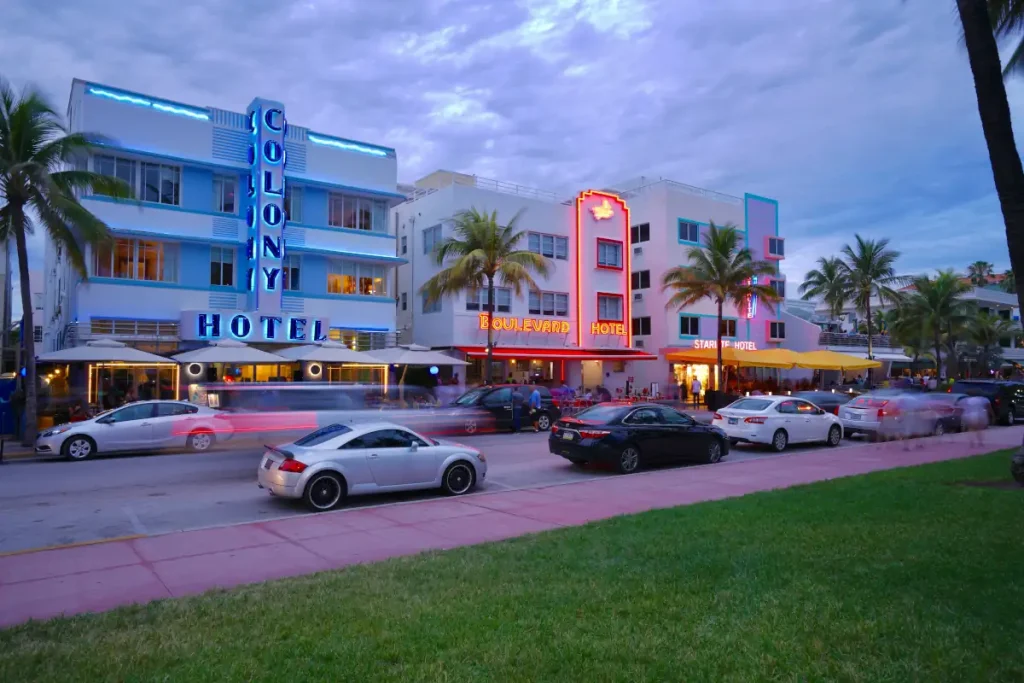
Miami, and especially South Beach, remains one of Florida's most recognisable Spring Break destinations. Its mix of beaches, nightlife, dining, and style gives it a different feel from the more traditional student-heavy beach resorts.
Not many places beat Miami when it comes to upmarket restaurants and nightclubs, and the weather is even better further south.
Fort Lauderdale
Fort Lauderdale offers broad beaches, boating canals, and an atmosphere that can feel slightly more relaxed than some of Florida's louder Spring Break hotspots.
There are also some great bars and restaurants along the coastline to enjoy in the evenings. Fort Lauderdale still attracts students, though not in the same numbers of old.
Other Florida Destinations
Amongst the other top spots in Florida is Jacksonville, which has a vibrant night scene, laid-back Key West, Hollywood Beach, St Pete Clearwater Beach, and Naples.
A Look Back at Spring Break in Florida
You could say that the modern-day week-long Spring Break dates back to the 1960s. The release of the classic film "Where the Boys Are" tells the story of four very different college girls who drive to Fort Lauderdale in Florida looking for boys, fun, sun, and romance.
During the hippy period of the 1960s and late 1970s, alcohol and free love took their toll, and some beach communities tried to deter spring breakers.
Several Florida towns make the top 10 most popular Spring Break destinations, including Fort Lauderdale, Miami, West Palm Beach, Fort Myers, and Tampa.
Many students who had previously visited Fort Lauderdale moved up the coast to Daytona Beach. This was easier to get to, cheaper, and more lax in its rules. In the late 1980s, the number of people visiting Fort Lauderdale dropped dramatically from an estimated 350,000 to around 20,000. Students are inconsistent, and destinations gain and lose popularity, mainly if local laws are changed.
By the 1980s, Spring Break had matured, becoming less about getting drunk and more about concerts and parties, visiting theme parks, and participating in sports and other activities like surfing, scuba diving, and parasailing.
More and more students are also looking at charity programs helping people in the developing world each year.
In the 90s, MTV started broadcasting from all the major beach resorts, bringing big-name groups like Run DMC to front their shows and bringing corporate sponsorship.
Other destinations started to gain popularity, such as Panama City Beach in the Panhandle and further afield, South Padre Island in Texas with 34 miles of beaches, Palm Springs in California, Las Vegas in Nevada, and New Orleans with its party atmosphere and lax drinking laws.
Drunken behavior and general rowdiness are still an issue in the USA. You need to be 21 to drink alcohol in most states legally. One of the attractions of Mexico is that the legal drinking age is notionally 18. South Padre Island is only half an hour from the Mexican border, so it is popular with younger students.
With cheaper airfares and more affluence amongst the student population, international destinations like Cancun and Acapulco in Mexico and the Bahamas have become even more popular.