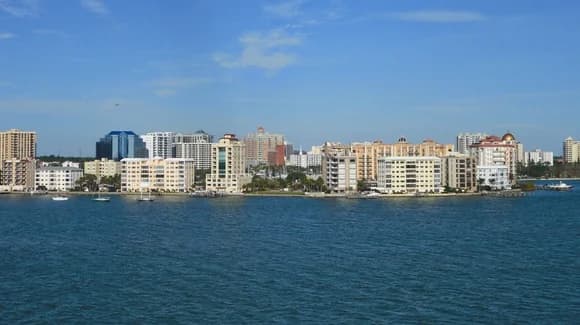
South Florida and the Everglades Travel Guide 2026
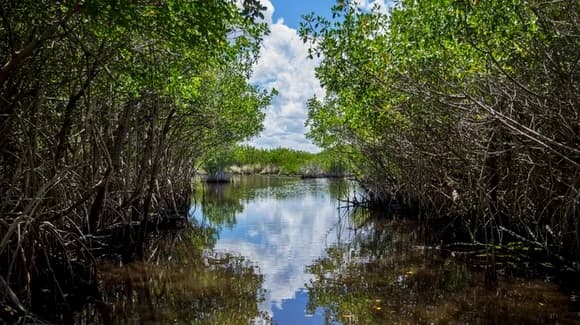
South Florida still gives you one of the most distinctive versions of the state in 2026: big-city energy, beach culture, cruise access, wildlife and the Everglades, all packed into one region. The mistake is treating Miami, Fort Lauderdale and the Everglades as if they offer the same kind of holiday. They do not.
Greater Miami & Miami Beach continues to market the area around beaches, neighbourhoods, arts, culture and multicultural character, while Visit Lauderdale still leans into beaches, waterways and its 31 neighbourhoods. That is a useful planning lens. South Florida works best when you decide whether your trip is mainly about city-and-beach time, cruising, or nature.
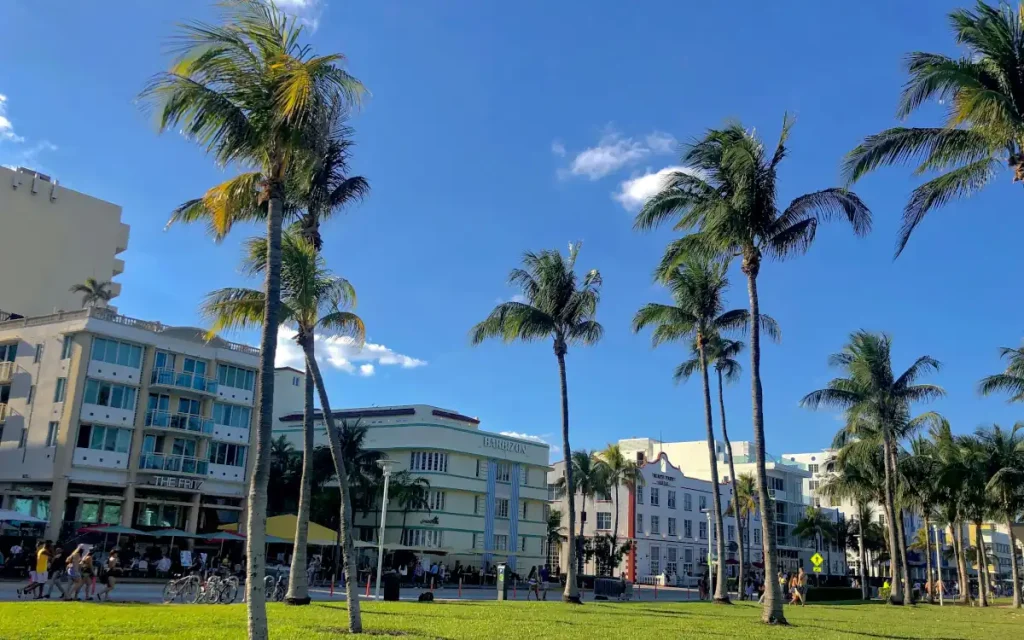
Miami is the region’s biggest draw
Miami remains the headline city if you want nightlife, design districts, major dining, beach culture and the wider energy of South Florida. It is not the easiest place in the state for a low-effort, low-cost stay, but it is still one of the most rewarding if the city itself is part of the point. For climate timing, pair this page with our Miami weather guide.
If your real goal is a classic Florida beach break with a polished city edge, Miami makes more sense than trying to force the same trip shape onto quieter regions. If you want a simpler attraction-led holiday, Central Florida is usually the easier fit.
Fort Lauderdale is easier-going than Miami
Fort Lauderdale still works well for travellers who want beaches, boating, restaurants and a slightly less intense pace than Miami. The official tourism site continues to position Greater Fort Lauderdale around a 24-mile beach stretch, waterways and a spread of neighbourhoods rather than one single resort strip, and that is exactly how to think about it.
It can also be a practical cruise or pre-cruise base, especially if you want to combine beach time with a sailing from South Florida. For that side of the trip, also see our guide to getting to Florida by sea and casino-cruise page for the niche cruise-history angle.
The Everglades are not just a quick tick-box stop
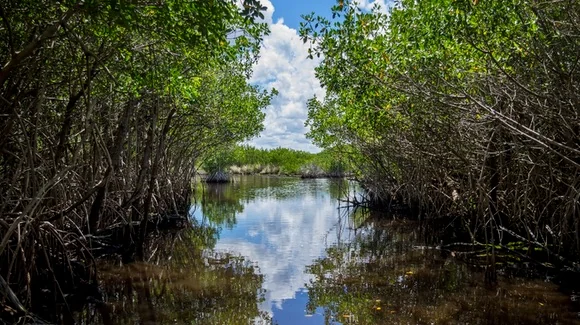
Everglades National Park remains one of the defining landscapes of the state. The National Park Service currently describes it as the largest subtropical wilderness in the United States, protecting 1.5 million acres of wetland, forest and marine habitats. That is a more reliable and current way to understand the scale than the old inflated area claims that still circulate online.
NPS also continues to flag the dry season from December to April as the most popular time to visit. That makes sense in practice too: winter and shoulder-season visits are generally easier for wildlife viewing and more comfortable than the hotter, wetter mosquito-heavy periods. For wider timing, our best time to visit Florida guide is the right supporting read.
The Everglades trip itself should match your interests. If you want ranger information, trails and official park context, use the national park route. If you mainly want an airboat-style activity, treat it as a different product entirely and compare it on value, location and transfer time.
Cruises, beaches and split stays
South Florida is one of the easiest regions in the state for a split stay. A few nights in Miami or Fort Lauderdale plus an Everglades day can make more sense than trying to move hotel every night. It also pairs naturally with a cruise, which is one reason the region remains so popular with first-time and repeat visitors alike.
- Pick Miami if nightlife, neighbourhoods, major dining and city energy matter most.
- Pick Fort Lauderdale if you want beaches and a more relaxed coastal base.
- Prioritise the Everglades if wildlife and landscapes are a core reason for the trip, not just an add-on.
- Use a split stay if you genuinely want both the city-and-beach side and the nature side without rushing.
Bottom line
South Florida is still one of the state’s richest trip-planning regions, but it rewards specificity. Choose Miami for urban energy, Fort Lauderdale for a smoother beach-and-waterway stay, and the Everglades for one of the most important natural landscapes in the country. If you plan those as complementary experiences rather than interchangeable ones, the region makes much more sense.