Miami in 2026: How to Plan the Right Kind of Trip

The useful 2026 version of a Miami guide is not another generic “sun, nightlife and beaches” page. The real planning decision is whether you want a beach-first holiday, a city-and-food trip, a pre- or post-cruise stay, or a short Florida add-on built around rail and easy neighbourhood-hopping.
Miami still rewards visitors who choose a base properly. If you get that part right, the city feels exciting and varied. If you get it wrong, you can burn time and money bouncing between traffic, parking and the wrong side of the bay.
What Miami is best at in 2026
The official Greater Miami and Miami Beach neighbourhood guides still show why the destination works so well for repeat visits: South Beach, Downtown/Brickell, Wynwood, Little Havana, Coconut Grove and other districts all offer very different versions of Miami rather than one interchangeable tourist strip.
That matters because Miami is not one single “resort area.” It is a collection of neighbourhoods with different strengths:
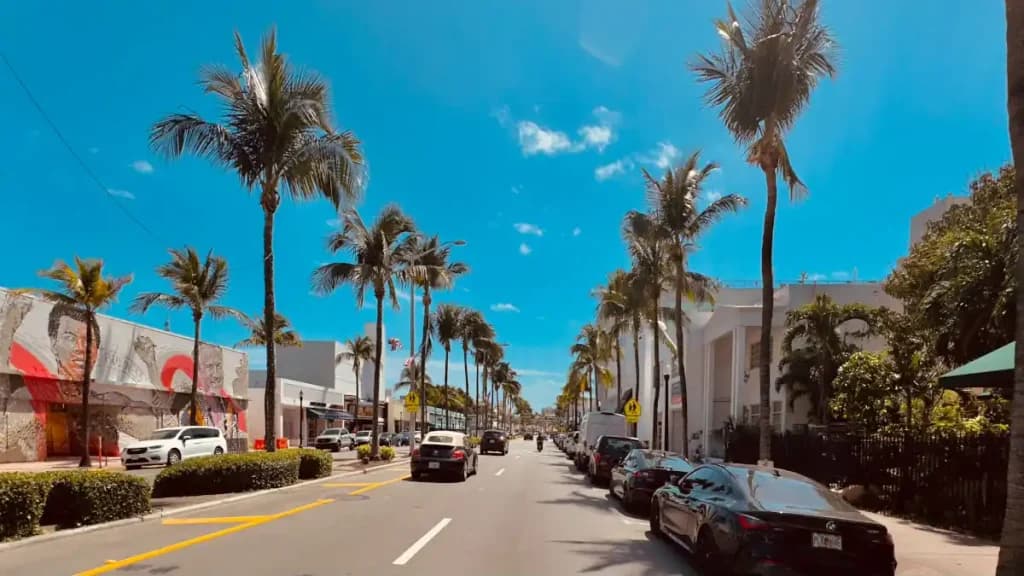
- Miami Beach: best if the beach and classic Miami visuals are the priority.
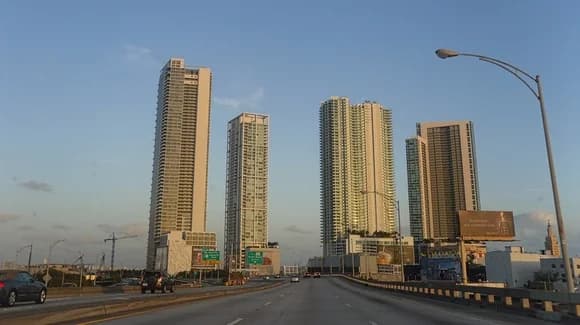
- Downtown/Brickell: better if you want skyline views, quicker transit links and easier access to museums, the port and rail.
- Little Havana: one of the most useful cultural stops for a first trip.
- Wynwood: a strong pick for murals, bars and a more design-led feel.
How many days do you really need?
Three to four nights is the sweet spot for most first-time visitors. That is enough time to split your stay between beach time, one or two neighbourhood days, a food-focused evening and either an Everglades add-on or a cruise/rail connection.
If you only have a long weekend, keep the plan tighter. Pick one main base and do not pretend you are covering every side of Miami-Dade in one trip.
Getting around without making the trip harder
Miami can still be car-heavy, but the official transport picture is better than many old guides suggest. Greater Miami’s current transport pages highlight a free Metromover around Downtown and Brickell, Miami Beach Trolley routes around the beach, and low-cost county transit for wider trips.
The official Downtown-and-Miami-Beach transport guide currently says:
- Metromover is free in Downtown Miami and Brickell.
- Metrobus fares start at $2.25.
- The Miami Beach Trolley is free and runs across key beach corridors.
That makes a big difference to the usual value question. If you stay in the right area, Miami does not always require a rental car.
The direct value answer
The biggest Miami cost decision is usually location, not attraction admission. Oceanfront Miami Beach convenience costs more. Downtown/Brickell can be the smarter value play if you want easier rail links, access to the port, and a simpler mix of restaurants and city transport.
- Best value for a short mixed trip: stay somewhere that lets you use free or low-cost transit for at least part of the stay.
- Best splurge: paying more for the exact beach setting you want, if beach time is the point of the holiday.
- Worst value mistake: choosing a cheap room in the wrong location and then paying the difference back in parking, rideshares and wasted time.
What to prioritise on a first trip
- One proper Miami Beach day, not just a quick drive-by.
- One cultural neighbourhood stop, especially Little Havana.
- One skyline or bayfront stretch around Downtown/Brickell.
- One evening built around food or nightlife instead of treating the whole city like a checklist.
That structure is usually better than stuffing five districts into one day and seeing none of them properly.
Who should pick Miami over Orlando for a short add-on?
Choose Miami if you want beaches, urban energy, Cuban and Caribbean influence, port access, or a city break that feels different from Central Florida. Choose Orlando if the trip is mainly about theme parks and family logistics.
For related planning, also see getting to Miami, Brightline, top Florida beaches, Miami weather and South Florida.
Our June 2026 take
Miami is still one of the strongest short-break destinations in Florida, but it rewards specificity. Plan for the neighbourhoods you genuinely want, choose your base with intent, and use the free and low-cost transport options where they actually save time. That is the difference between “busy Miami” and a trip that feels properly put together.